Revised ECAS Framework
New ECAS framework
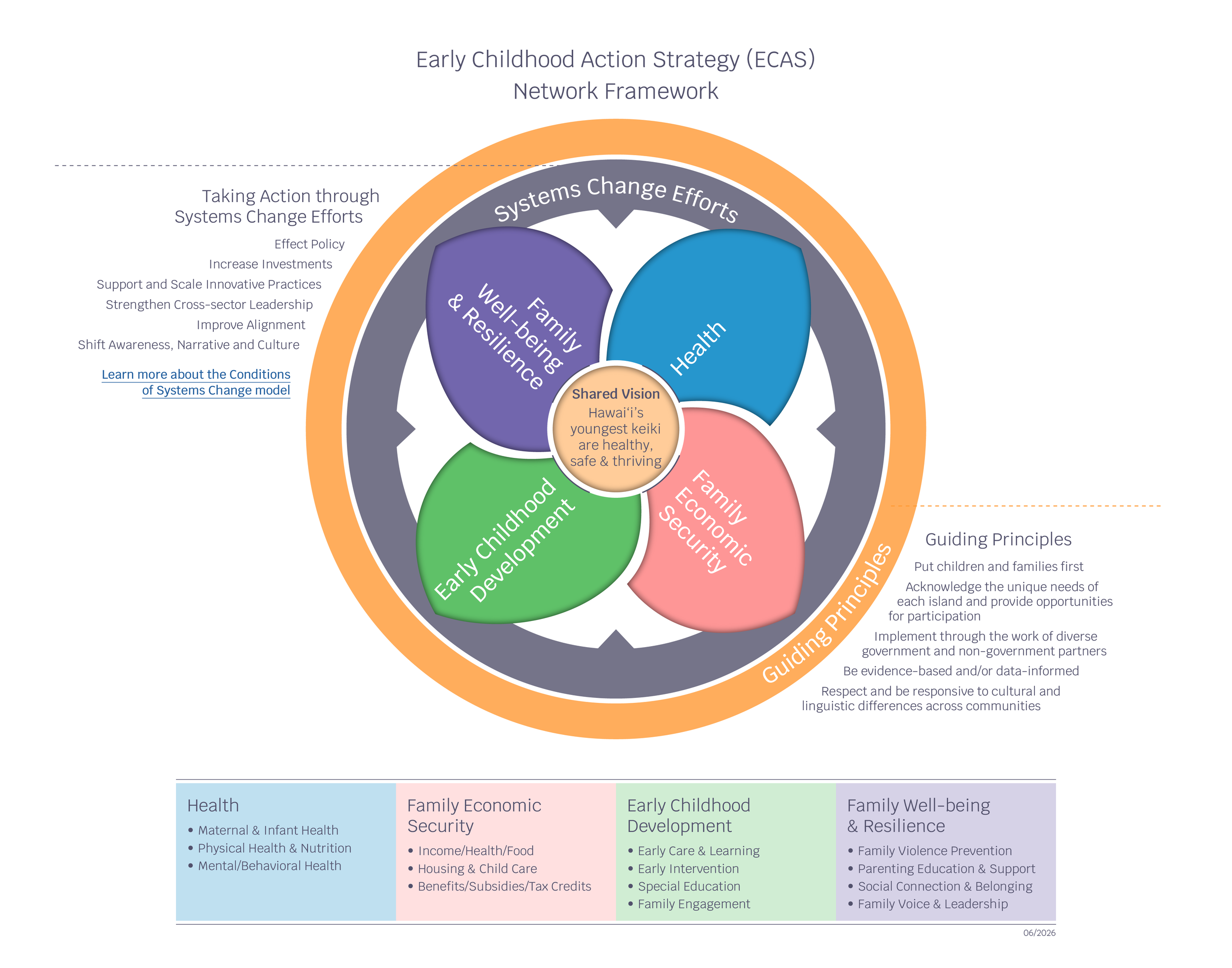
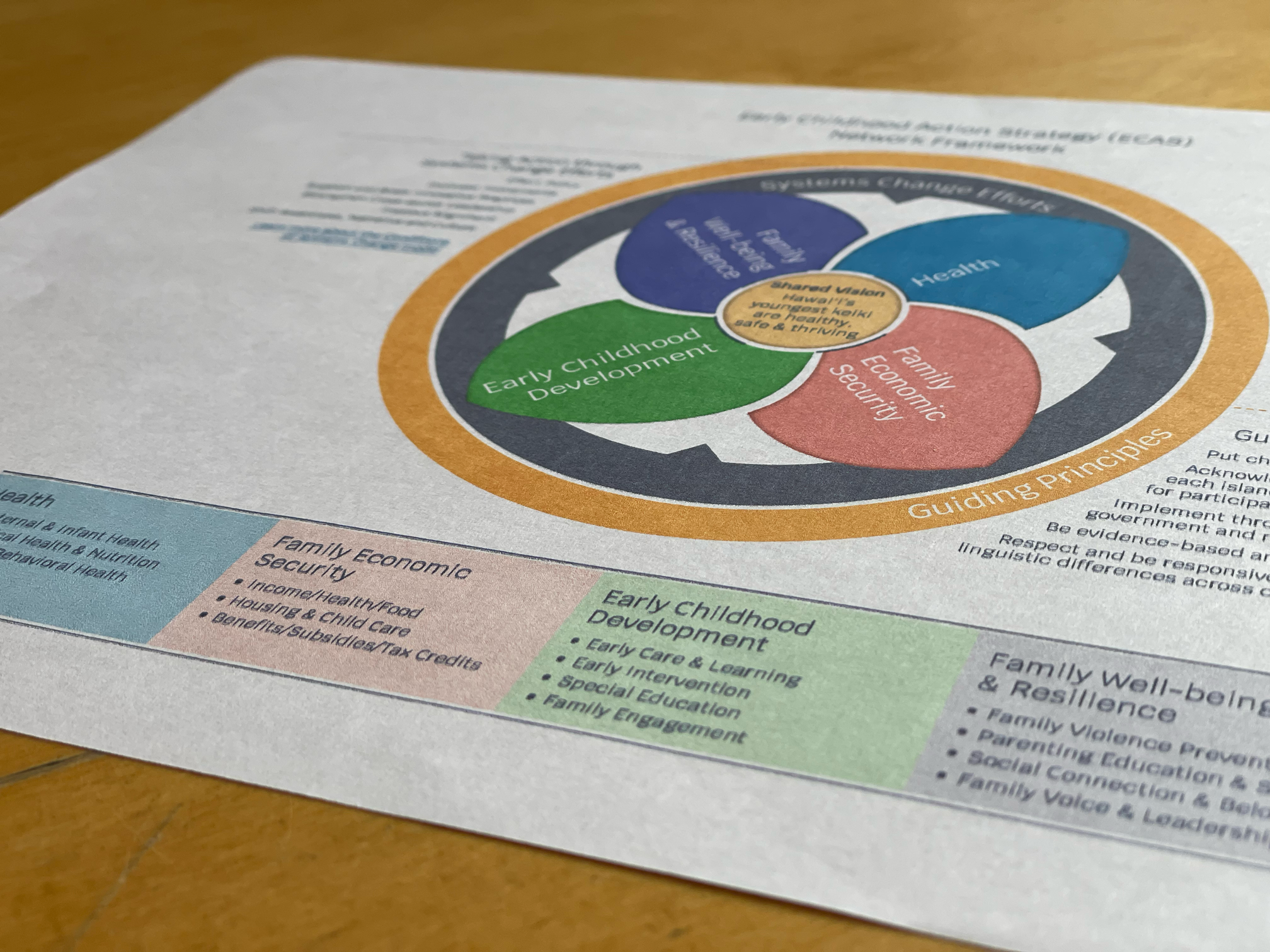
ECAS team conveners and backbone staff have developed a revised conceptual framework to guide our next phase. The original ECAS framework was based on Lisbeth Schorr’s Pathways to Third Grade Success. Our revised framework has been informed by the BUILD Initiative’s model of a comprehensive and equitable early childhood system.
The revised framework:
Embraces a whole child, whole family systems approach
Better reflects the interconnectedness and interdependence of early childhood system elements
Facilitates a more flexible, adaptive, and open-ended approach to structuring teams
Will hopefully help reduce silos and improve cross-pollination across efforts
Next steps
Updating the ECAS Network structure based on the new framework
We are now working to update the ECAS Network structure to reflect this framework and our renewed emphasis on convening and collective impact. This includes:
Developing a dedicated steering committee to help inform the Network’s strategic direction, priorities, and team development;
Assessing current teams and workgroups for purpose, momentum, and alignment;
Consolidating, sunsetting, or adding teams as appropriate; and
Designing convenings that
effectively support the sharing of information about ongoing work, projects, and services;
facilitate strategic problem-solving;
encourage cross-pollination; and
strengthen coordination and collaboration across efforts.

We aim to complete the initial Network restructuring by the end of the third quarter of 2026. Our guiding principle is that form follows function, and funding follows form: we must first clarify the work ECAS is best positioned to do, then build out the structure and resources necessary to sustain it.
ECAS has been engaged in a comprehensive assessment of Network efforts, capacity and priorities. The current period of transition has created an opportunity to clarify ECAS’s purpose and strengthen the organization for its next chapter as we adjust to changing conditions and an evolving early childhood landscape.
ECAS team conveners and backbone staff have developed a revised conceptual framework to guide our next phase. Our revised framework has been informed by the BUILD Initiative’s model of a comprehensive and equitable early childhood system.
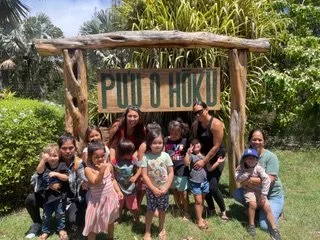
This year, the Kaʻū Community-Centered Partnership (CCP) reached an inspiring milestone, one shaped by the collective voices, knowledge, and aloha of community.
Community-Centered Partnerships (CCP) represent a fundamental departure from traditional, top-down models of giving.
Over the next five years, Chaminade University will develop and validate a culturally responsive post-baccalaureate certificate in Early Intervention
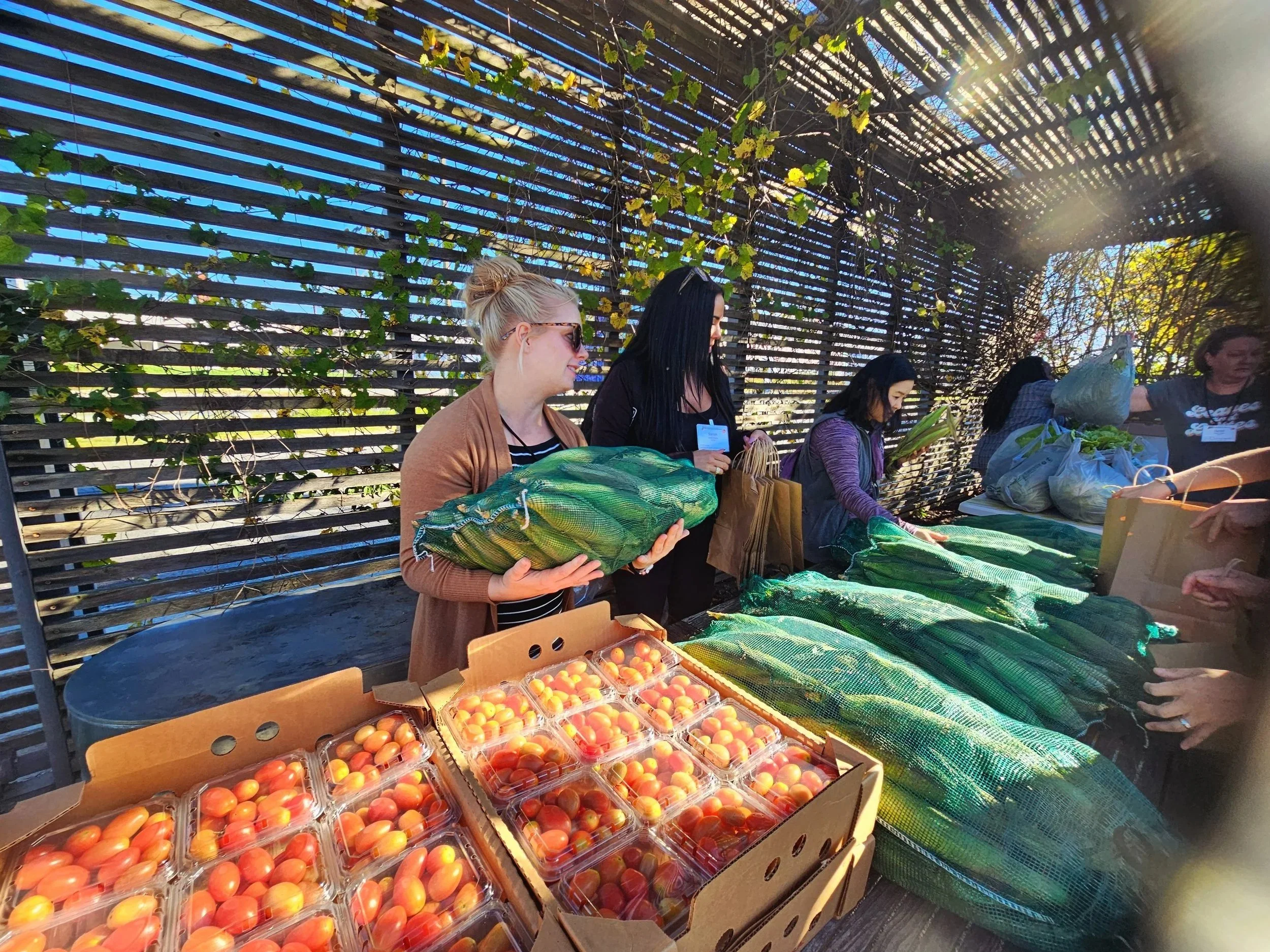
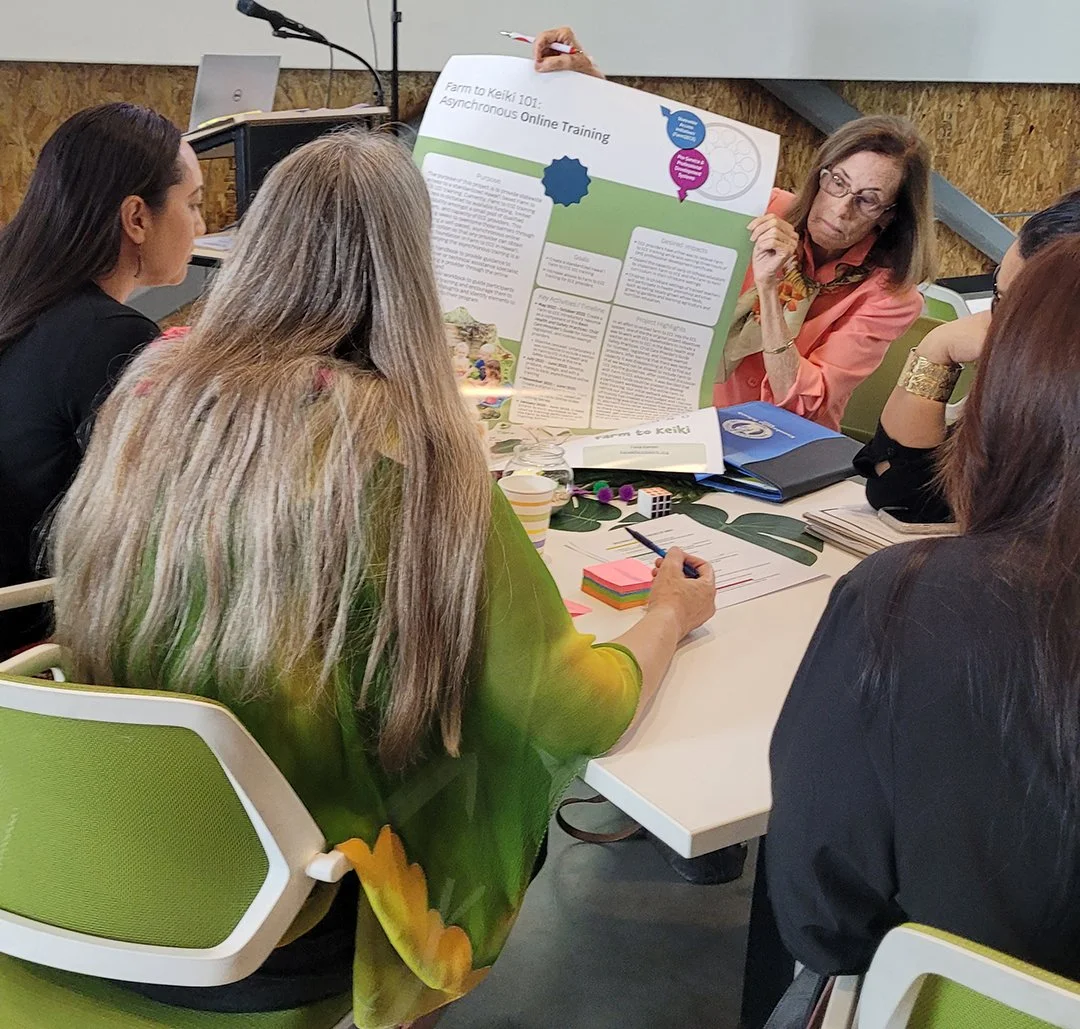
A Hawaiʻi coalition comprised of local food and ECE systems partners was awarded the opportunity to participate in FARMWISE (2024-2026).
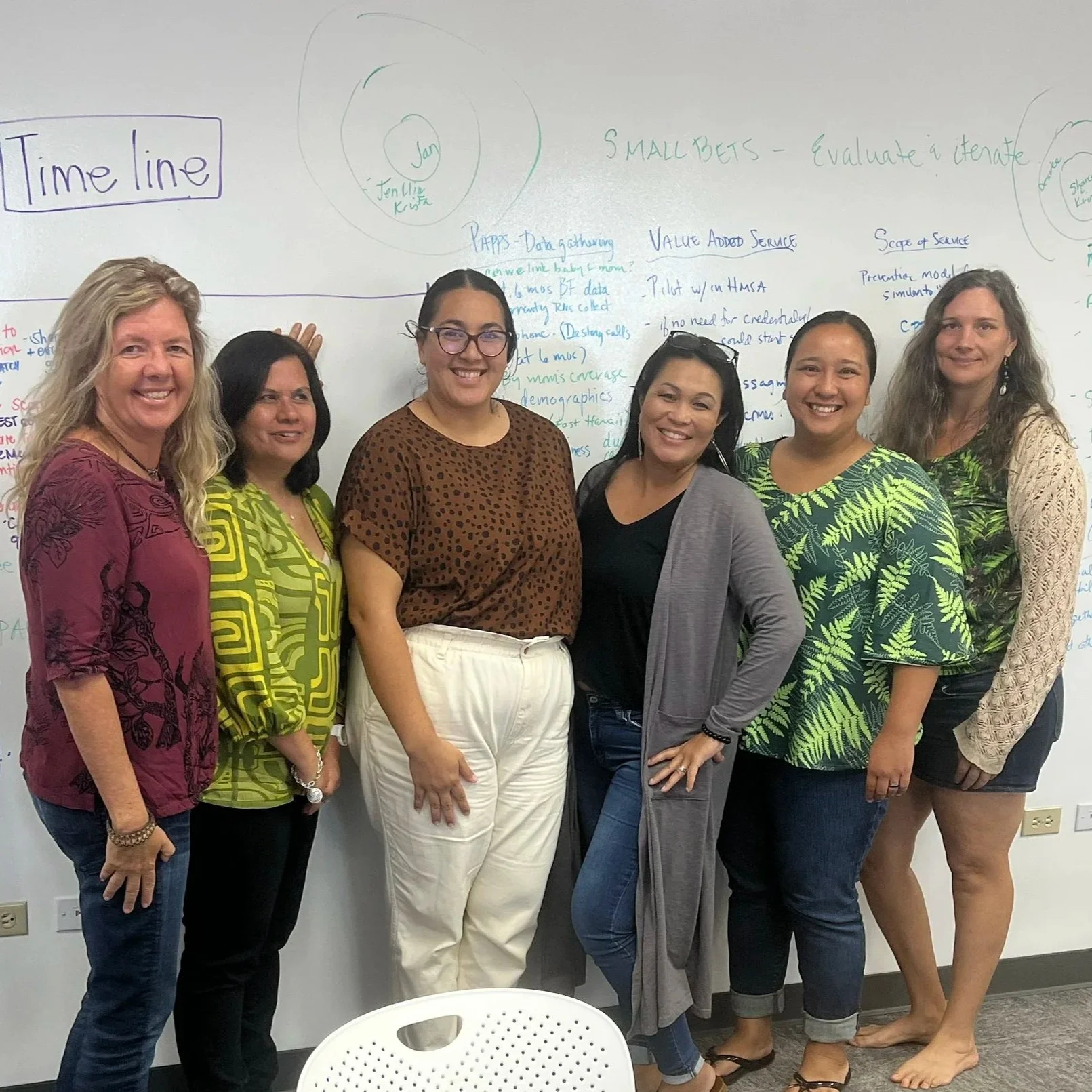
The Statewide Breastfeeding Workgroup (BFWG) deepened collaboration with historic partners like Breastfeeding Hawaiʻi to address breastfeeding support needs identified by WIC staff.
The Community Innovation Program supports community-led maternal health improvements by investing in locally generated knowledge, leadership, and solutions.
By continuing to shift the awareness to family voices and lived experience, we hope to move the narrative and culture of systems change in Hawai‘i, in a positive direction.
The ECAS Policy Team and the Commit to Keiki Steering Committee built a diverse agenda for the 2025 Legislative Session. The end of Session is the time to celebrate wins, discuss challenges and identify opportunities.
On behalf of the ECAS backbone staff, we wanted to send out some words of encouragement during these very trying times that are inevitably impacting all of us and those that we support.
Carefully twisting many fibers will create a strong and cohesive cordage to support Hawai‘i’s youngest keiki. The IECBH convening of cross-sector leaders was an opportunity to champion systems-level strategies and there is great interest to keep this momentum going.
The CLSD Wahiawa Collaborative provides coaching for teachers and families to improve pre-literacy skills.
Improved access to lactation consultation reduces inequities in health care access and improves outcomes for children and families.
Network partners are bringing their collective wisdom and shared experience to the project of understanding the ecosystem of support for keiki and ‘ohana across Hawai`i. Click here for the Systems Learning Blog.
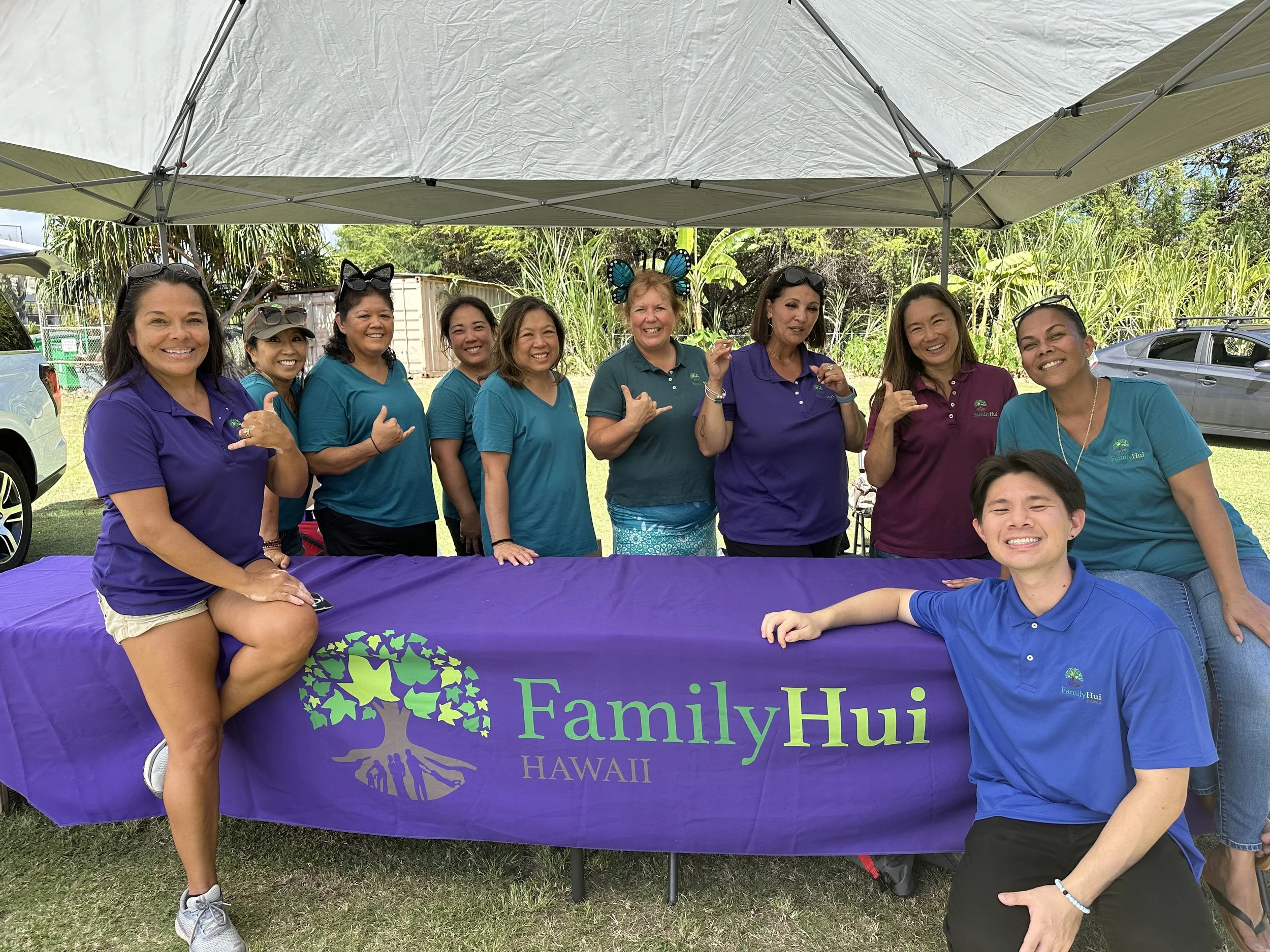
Family Hui Hawai`i (FHH) has guided language and literacy development programming in the Wahiawa community on O`ahu as part of Hawai`i’s Comprehensive Literacy State Development (CLSD) grant, in collaboration with Read to Me International and the ECAS network’s Words Matter strategy.
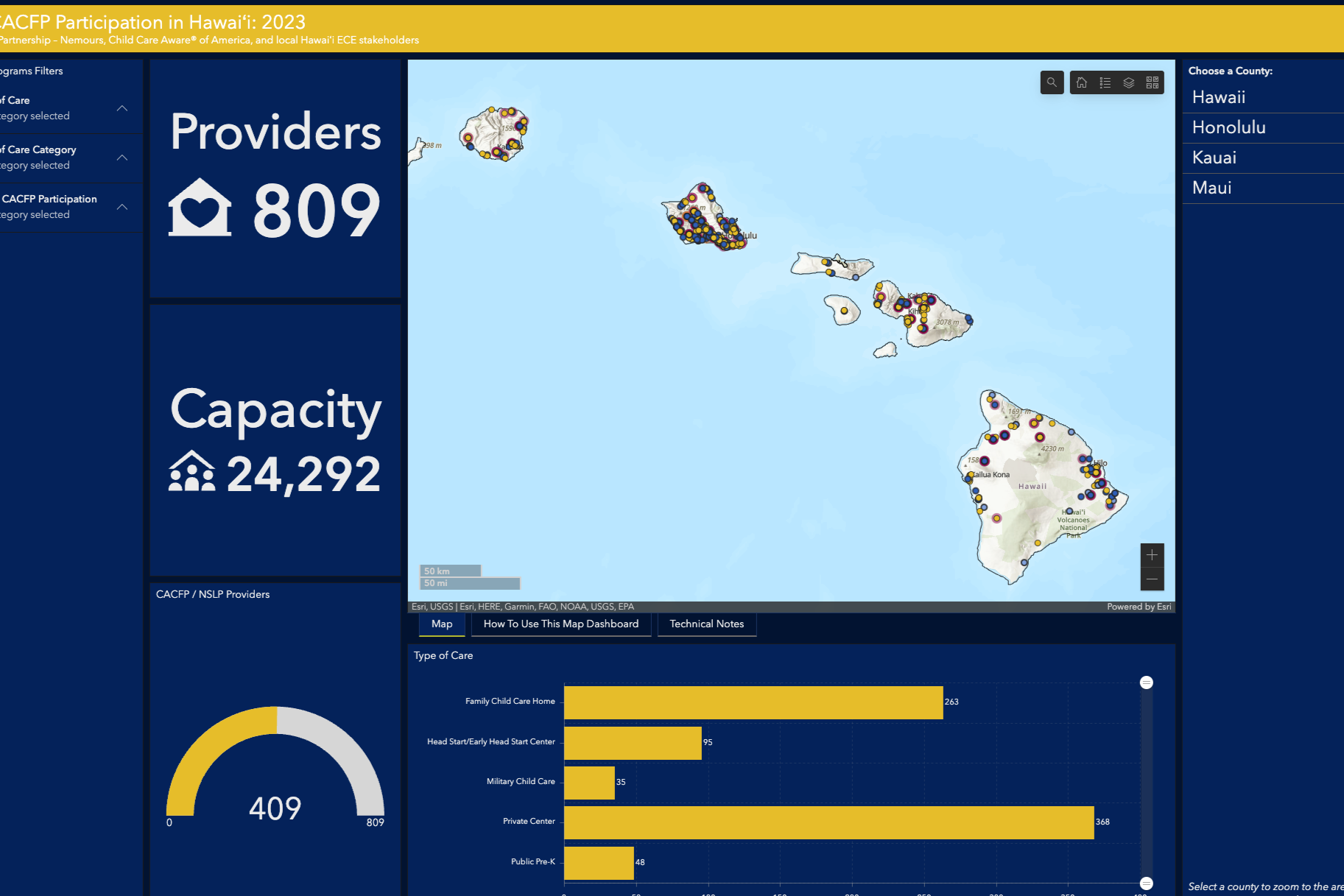
The Child and Adult Care Food Program (CACFP) is an important federally funded program that increases access to nutritious, well-balanced meals for keiki in child care settings. ECE providers are partners in increasing food access and nutrition security and ensuring that our youngest keiki and their families can thrive.
In May 2023, 45 cross-sector stakeholders from 30 organizations attended the Healthy Keiki, Healthy Future Convening.