
Rooted in Community, Guided by Data, and Strengthened by Aloha
Kaʻū Community-Centered Partnership (CCP)
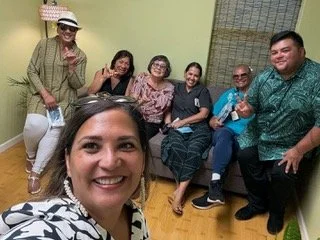
This year, the Kaʻū Community-Centered Partnership (CCP) reached an inspiring milestone, one shaped by the collective voices, knowledge, and aloha of community. Over the past months, the Kaʻū CCP facilitator and panel members have walked alongside families, service providers, and local leaders to listen deeply, gather community data, and identify the needs of our keiki and ʻohana from prenatal through age five.
Listening to Kaʻū: What the Community Shared
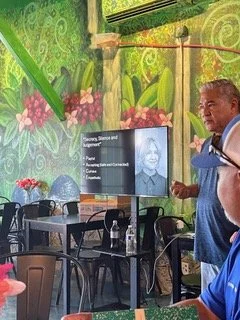
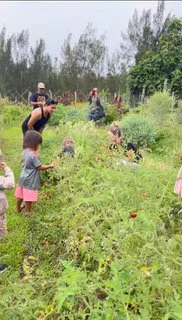
Through surveys, community meetings, and conversations across Kaʻū, residents voiced both the beauty and the challenges of raising children in a rural community. Families and providers emphasized the need for stronger access to prenatal and pediatric care, early learning opportunities, family support, and economic stability. Respondents also uplifted the value of cultural grounding, local leadership, and place-based solutions that reflect Kaʻū’s identity, resilience, and community spirit.
The data revealed a powerful message: while there are some quality programs that already exist, capacity remains limited due to funding, staffing, and access barriers. Families called for holistic approaches, efforts that weave health, education, and ʻohana well-being together, to create long-term change.
Community-Driven Decision Making
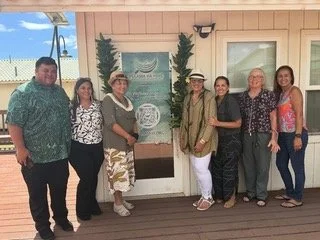
Building on these findings, U`ilani Corr-Yorkman, the CCP Lead convened meetings with the Kaʻū CCP facilitator and a panel of trusted community members. Together, they reviewed data trends, discussed local priorities, and evaluated proposals from organizations committed to supporting Kaʻū’s keiki and families. Their goal was simple but profound: ensure that decisions about funding stayed in the hands of those who know Kaʻū best, its people.
The facilitator guided the panel through a transparent, collaborative process of reviewing applications, asking hard questions, and aligning recommendations with the priorities identified by the community survey and discussions. This process honored the CCP model’s core principle: that community voice should not only inform but lead decision making.
Investing in Kaʻū’s Future
At the close of this year, the Kaʻū CCP panel and facilitator, guided by the community’s data and insights, made the following funding decisions to strengthen family well-being and early childhood support in Kaʻū:
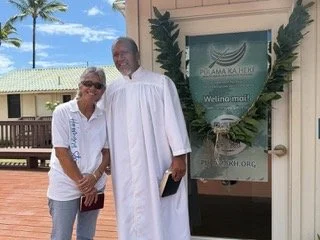
Kaʻū Rural Health – $50,000 to expand access to local health services and strengthen prenatal and pediatric care for families.
LIV – $150,000 to support programs advancing prenatal care, learning, and family support rooted in local values and community leadership.
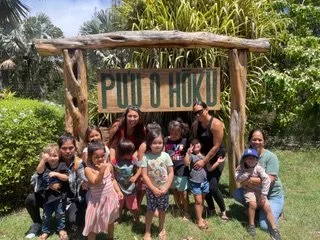
Hana Laulima Lāhui o Kaʻū – $150,000 to build capacity for culturally grounded initiatives that uplift ʻohana, strengthen community connection, and promote economic and early education well-being.
These grants reflect Kaʻū’s own priorities, chosen by its own people, and grounded in the belief that meaningful change happens when communities lead.
With Gratitude
This year’s funding was made possible through the generous support of the Stupski Foundation and the Omidyar `Ohana Fund at the Hawai`i Community Foundation, who continue to believe in community-driven decision-making and the transformative power of local leadership.
As we close 2025, the Kaʻū CCP celebrates not only these investments but the process itself, a model of trust, collaboration, and aloha in action.
By centering community voices and aligning resources with what families have identified as most important, Kaʻū is charting a path toward a future where every keiki and ʻohana can thrive, rooted firmly in the strength of their ʻāina and each other.