Shifting the Narrative: Community-Centered Partnerships and a New Culture of Philanthropy
Community-Centered Partnership (CCP)
Across Hawaiʻi and beyond, there is a growing movement to shift awareness, narrative, and culture around how philanthropy is practiced. Community-Centered Partnerships (CCP) represent a fundamental departure from traditional, top-down models of giving. At the heart of CCP is a simple but transformative principle: communities themselves are best positioned to identify their needs, define their priorities, and decide where funding should go.
This approach challenges conventional philanthropy by centering power, voice, and decision-making with those most directly impacted by social challenges. CCP emphasizes authentic partnerships between community members, nonprofit organizations, and funders—partnerships grounded in trust, transparency, and shared accountability. Equally critical is partnering with funders who see and believe in this vision and who embrace trust-based philanthropy, including the provision of unrestricted funding. Unrestricted support allows communities and organizations the flexibility to respond to real-time needs, innovate locally grounded solutions, and invest in long-term sustainability rather than short-term outcomes.
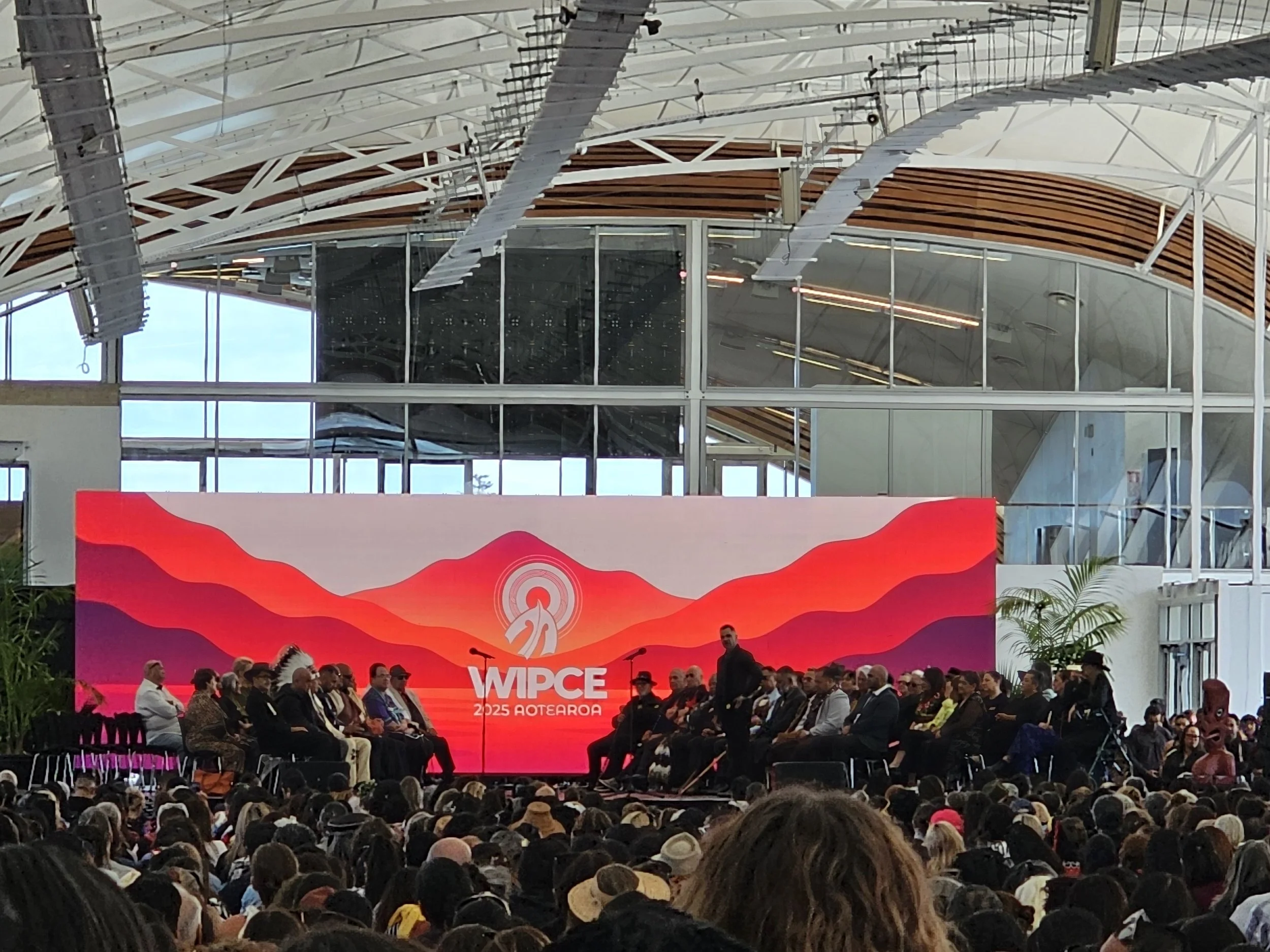

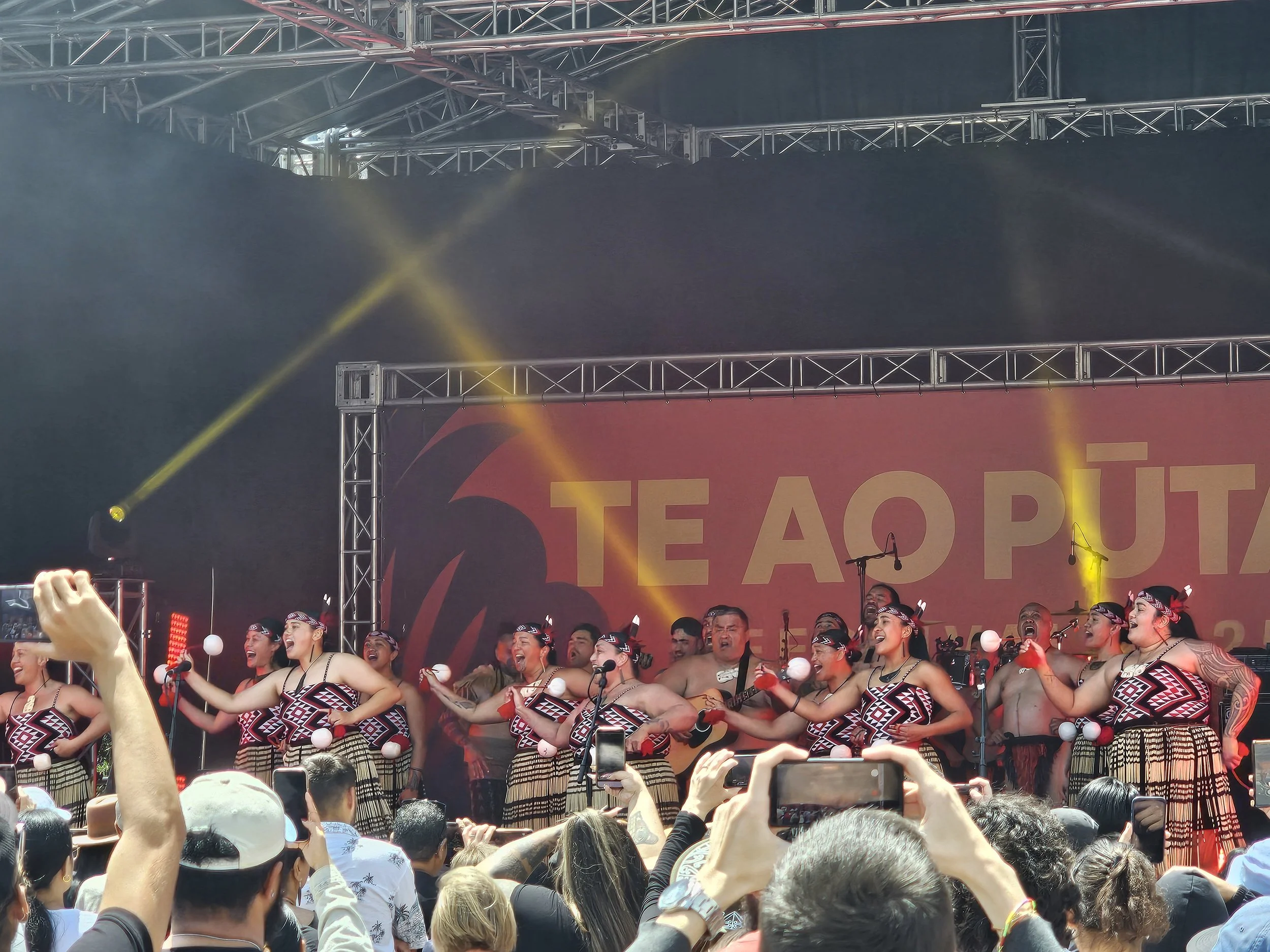
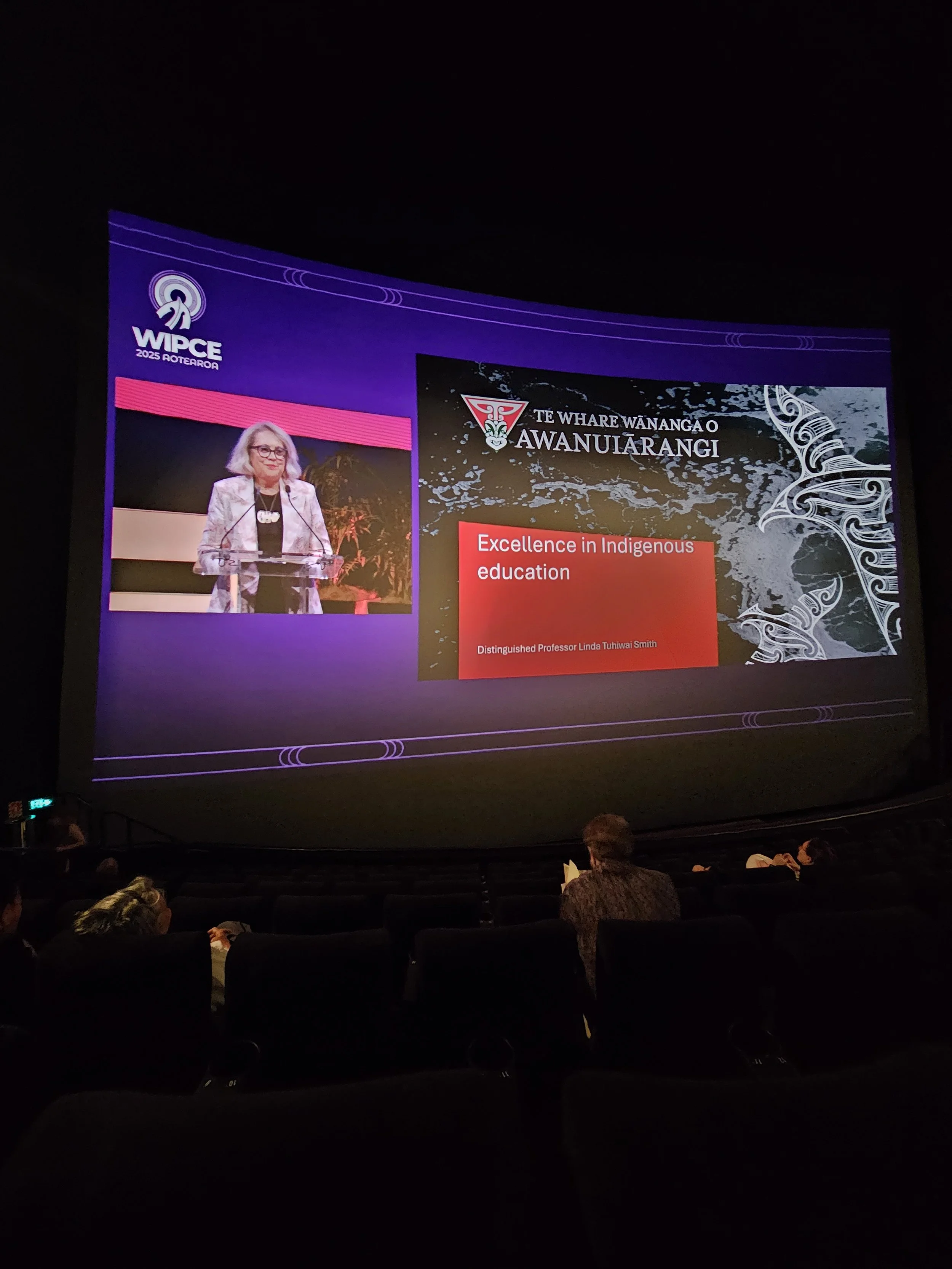
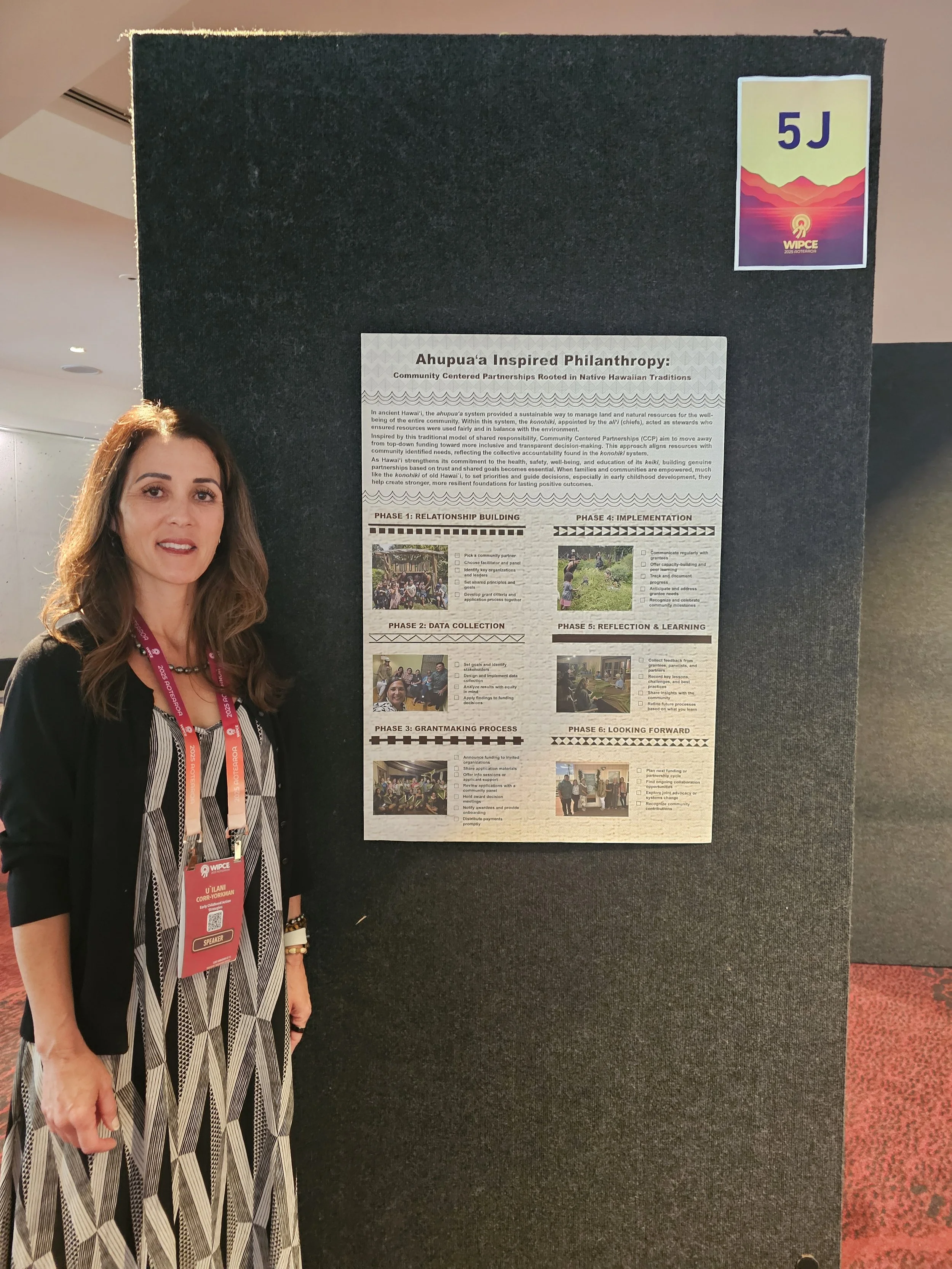
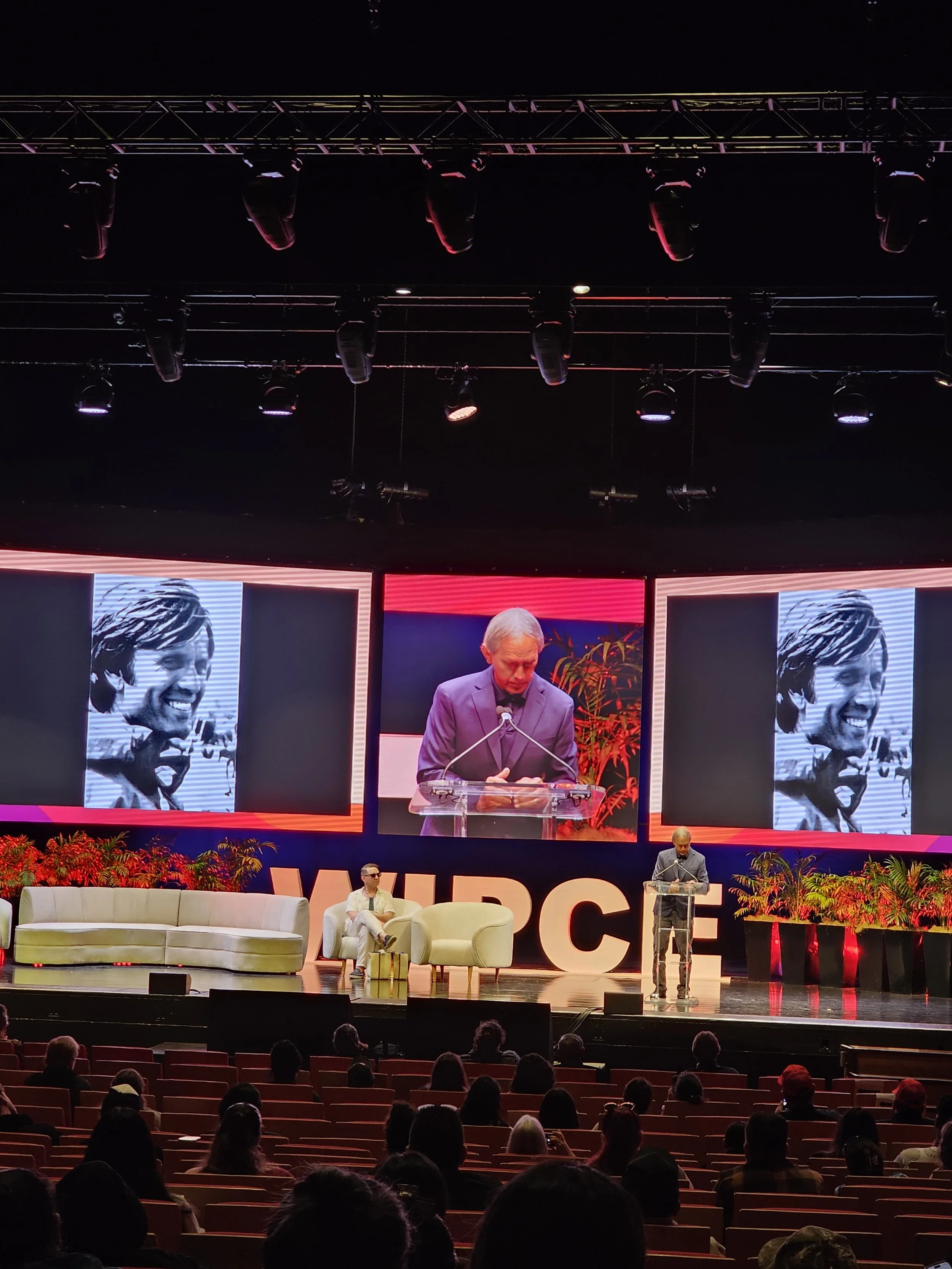
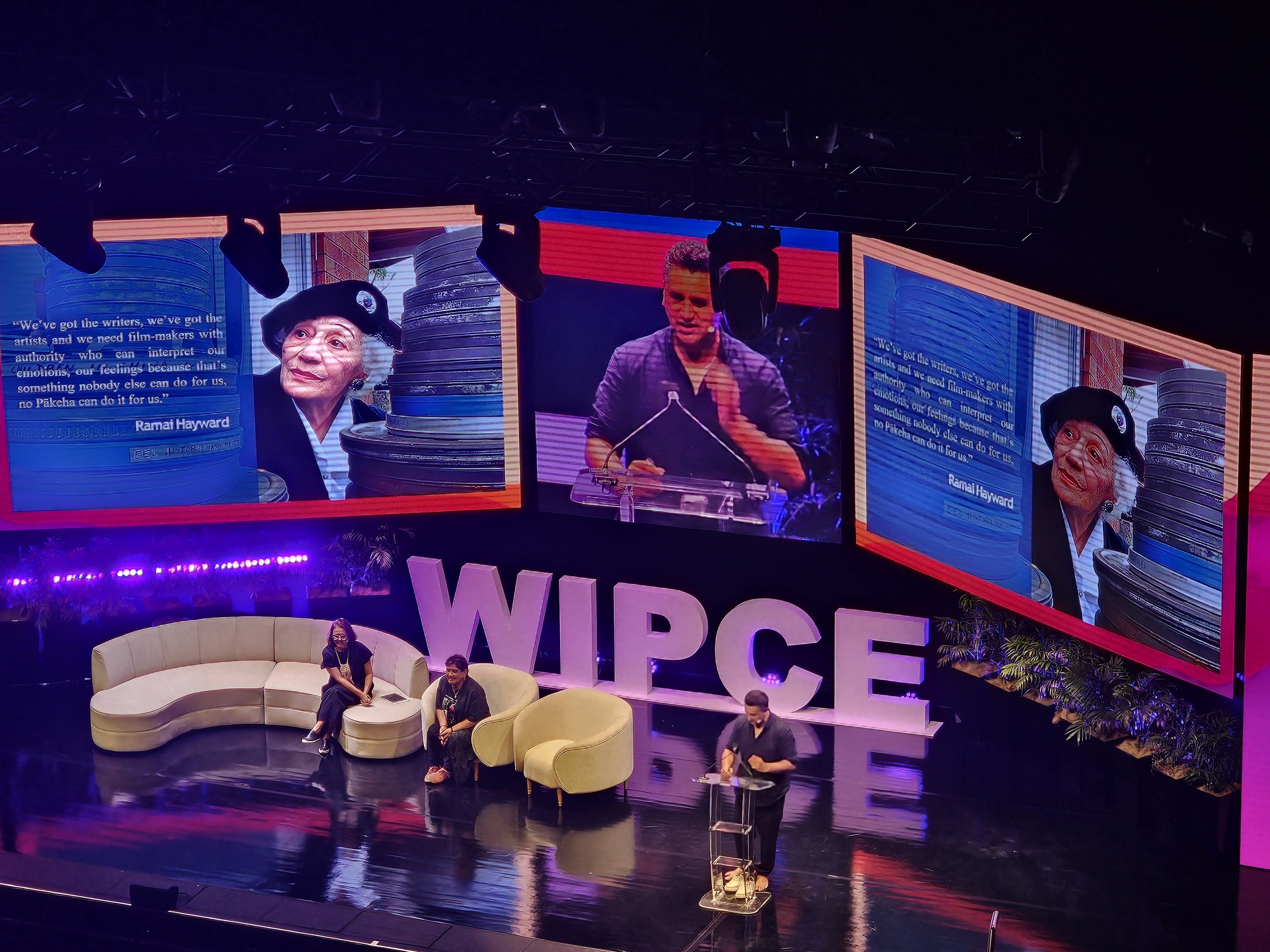
The importance of this shift was shared on an international stage when CCP Lead, Uʻilani Corr-Yorkman, attended the 2025 World Indigenous Peoples’ Conference on Education (WIPCE) in Auckland, Aotearoa, where she presented a poster highlighting the CCP model. The presentation explored how CCP creates collaborative alliances between community members, funders, and those directly affected to address local needs and achieve shared goals. A foundational principle of CCP is empowering communities to make funding decisions informed by up-to-date, community-generated data, ensuring that investments are both responsive and relevant.
While this approach may feel innovative within modern philanthropy, it is deeply rooted in Hawaiian traditions.
The presentation, entitled “Ahupuaʻa-Inspired Philanthropy,” drew on ancestral systems of governance and care that guided decision-making long before contemporary funding structures existed. During the time of the Hawaiian monarchy, konohiki played a vital role in maintaining balance within the ahupuaʻa by stewarding resources and ensuring the well-being of the people. Alongside them, aliʻi recognized the needs of their communities and worked to fulfill those needs, often leaving behind land, entire estates, and all their worldly possessions for the betterment of the lāhui.
The presentation examined how these traditional practices offer powerful guidance for today’s philanthropic landscape. By returning decision-making power to those most impacted by social challenges, philanthropy can move away from exclusionary, top-down models and toward inclusive, community-driven approaches. Drawing on examples from rural communities across Hawaiʻi, the session highlighted how funders can shift their role, from decision-makers to partners, supporting processes that empower local leadership, foster collective problem-solving, and ensure funding is truly aligned with community-identified priorities.
In addition, the presentation offered practical strategies for building authentic partnerships rooted in trust, accountability, and shared goals. Through real-world examples and lessons learned from community-centered work, participants gained actionable insights into how CCPs can not only distribute financial resources, but also build resilience, strengthen local capacity, and create lasting, systemic impact.
Ultimately, CCP represents more than a funding model, it is a cultural shift.
By honoring Indigenous knowledge systems, centering community voice, and embracing trust-based philanthropy, CCP points toward a future where philanthropy supports communities not just to survive, but to thrive on their own terms.